

Emerging Peptide Research Supporting Broader Understanding of Skin Recovery
Skin recovery is receiving closer attention as researchers examine natural processes that help tissue regain balance after everyday stress. Peptides are small protein fragments being studied for their role in supporting these processes. Current findings focus on skin resilience, moisture retention, surface renewal, and overall skin condition, with glow peptide stack benefits offering a useful focus for understanding how peptide combinations may support healthier-looking skin during recovery.
What Shapes Skin Recovery Patterns?
Skin recovery involves several connected processes that help maintain normal structure after daily exposure. Researchers examine how cellular signals influence renewal while natural barriers work to preserve moisture.
- Cellular signals may influence normal renewal processes over time.
- Moisture balance helps maintain a stronger protective outer layer.
- Structural proteins support firmness throughout natural skin renewal.
- Environmental exposure can influence visible surface changes gradually.
- Rest periods may support ordinary recovery functions naturally.
Which Signals Receive Research Attention?
Researchers are studying communication pathways that influence cellular activity during ordinary recovery. Certain peptides may interact with receptors involved in signaling. This has encouraged broader investigation into how cells coordinate repair-related processes. Current research remains focused on understanding biological actions rather than promising specific cosmetic outcomes.
How Structure Supports Natural Renewal?
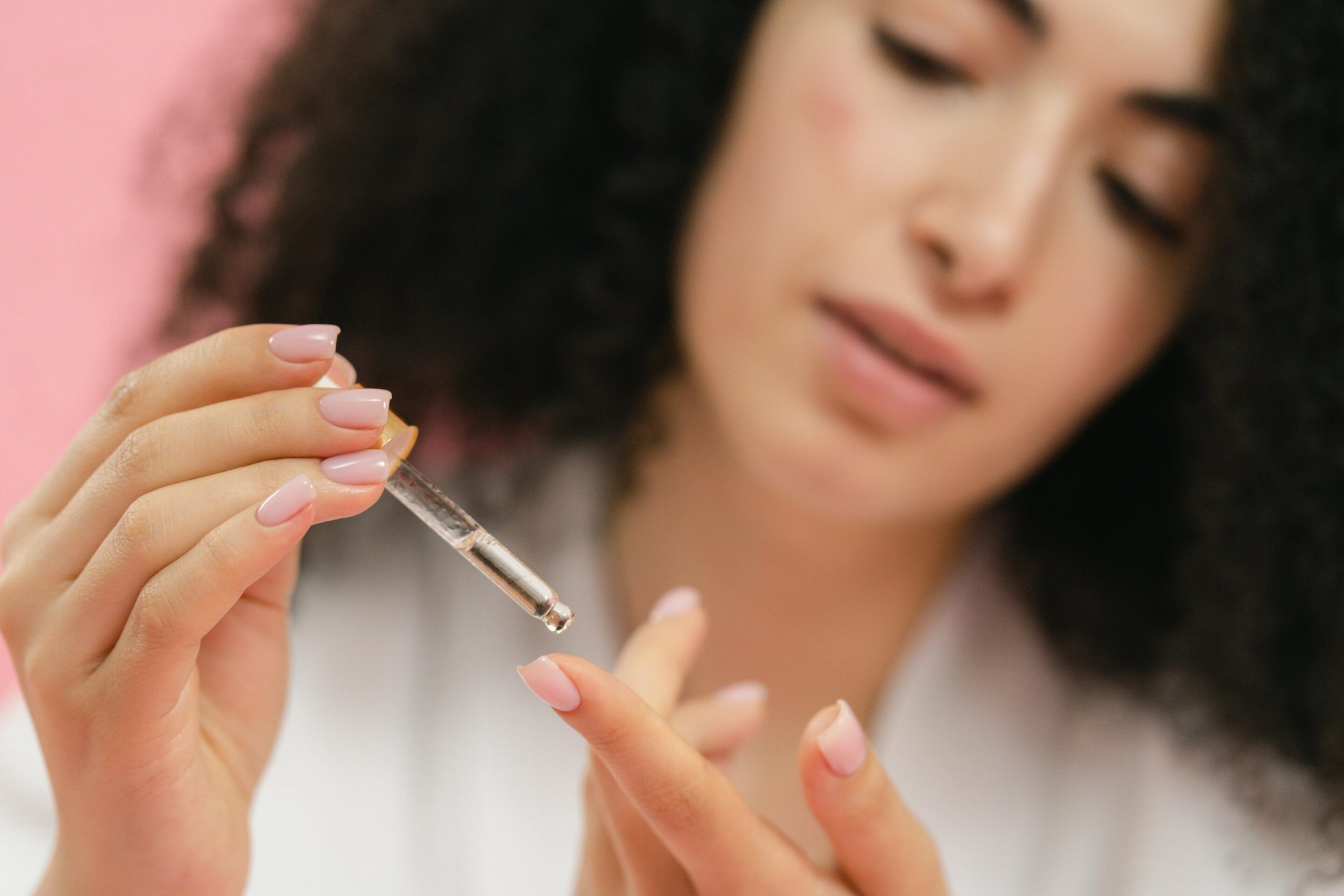
Skin contains structural elements that help maintain strength and surface stability. Research examines collagen-related pathways because these structures contribute to normal tissue organization. Peptides are also investigated for possible roles in signaling connected with structural maintenance. Such research may improve understanding of changes that occur during ordinary aging and the potential glow peptide stack benefits for supporting healthy-looking skin.
What Guides Responsible Research Progress?
Scientific progress depends on careful testing, clear measurements, and repeatable findings. Researchers compare laboratory observations with controlled studies before drawing broader conclusions.
- Controlled testing helps separate genuine findings from assumptions.
- Repeat studies strengthen confidence in observed biological patterns.
- Clear measurements make research results easier to compare.
- Molecular differences can influence biological activity considerably.
- Long-term observation can reveal changes missed earlier.
Where Could Future Findings Lead?
Future research may provide clearer information about cellular signaling linked with normal skin maintenance. Scientists may also investigate combinations of molecular signals to understand their separate roles. Peptides could remain useful research subjects as knowledge grows around structural support and barrier regulation.
Skin recovery research continues to develop through closer study of cellular signals and structural processes. New findings may clarify relationships between renewal, moisture balance, and protective function. Responsible interpretation remains important because research strength varies across studies. A practical approach is to consider established evidence first while treating early observations as areas needing further confirmation.