
Dental

How Invisalign Addresses Common Misconceptions About Clear Aligner Treatment
Understanding the Evolution of Orthodontic Treatment
The landscape of orthodontic treatment has transformed dramatically over the past two decades, yet numerous misconceptions continue to circulate about clear aligner therapy. These misunderstandings often prevent individuals from exploring what could be an ideal solution for their dental alignment concerns. Invisalign Luton have evolved from a niche cosmetic option to a clinically proven treatment modality, supported by extensive research and technological advancement. Despite this progress, outdated beliefs persist, creating unnecessary hesitation amongst those who might benefit most from this innovative approach to straightening teeth.
The proliferation of information—and misinformation—across digital platforms has contributed to confusion about the capabilities and limitations of clear aligner systems. Some scepticism stems from early iterations of the technology, whilst other concerns arise from anecdotal accounts or incomplete understanding of how modern systems function. Addressing these misconceptions requires examining the clinical evidence and understanding how contemporary clear aligner treatment has matured into a sophisticated orthodontic solution capable of managing a wide range of dental irregularities.
Debunking the Myth That Clear Aligners Only Treat Minor Cases
Perhaps the most pervasive misconception surrounding clear aligner treatment is the belief that it can only address minor cosmetic concerns. This outdated notion fails to recognise the significant technological advancements that have expanded the scope of treatable conditions. Modern clear aligner systems can effectively manage moderate to complex orthodontic cases, including significant crowding, spacing issues, overbites, underbites, and crossbites. Research demonstrates the efficacy of clear aligners in achieving predictable tooth movements, challenging the assumption that traditional brackets and wires remain the only option for comprehensive orthodontic correction.
The sophistication of treatment planning software has revolutionised what clear aligners can accomplish. Three-dimensional imaging technology allows practitioners to map precise tooth movements throughout the entire treatment journey, ensuring controlled and sequential repositioning. When seeking Invisalign Luton treatment, patients discover that advanced attachment systems—small tooth-coloured bumps temporarily bonded to teeth—enable complex rotations and intrusions that were previously thought impossible with removable appliances. These attachments work in concert with the aligners to apply targeted forces, expanding the range of orthodontic movements achievable without fixed appliances.
Addressing Concerns About Treatment Duration and Effectiveness
Another common misconception suggests that clear aligner treatment invariably takes longer than traditional braces to achieve results. This assumption oversimplifies the complexities of orthodontic treatment, as duration depends upon numerous factors including case complexity, patient compliance, and individual biological response. In many instances, clear aligner therapy can achieve comparable or even faster results than conventional brackets, particularly for mild to moderate cases. The key differentiator lies in patient adherence to wearing the aligners for the recommended twenty to twenty-two hours daily, which directly influences treatment efficiency and predictability.
The removable nature of clear aligners, whilst offering lifestyle advantages, requires personal responsibility that some perceive as a potential weakness. However, this characteristic actually empowers patients to maintain optimal oral hygiene throughout treatment, reducing the risk of decalcification and periodontal complications often associated with fixed appliances. Comparative studies between clear aligners and traditional braces reveal that treatment outcomes depend more upon proper case selection and clinical expertise than the appliance type itself.
Dispelling the Professional Credibility Myth
Some individuals harbour concerns that clear aligners represent a less legitimate or professional approach to orthodontic care. This misconception likely stems from the proliferation of direct-to-consumer aligner companies that bypass professional supervision. However, professionally administered clear aligner treatment involves comprehensive diagnostic assessment, personalised treatment planning, and regular monitoring by qualified practitioners. Clinical studies validate the biomechanical principles underlying clear aligner therapy, confirming that when properly implemented, these systems deliver predictable and stable orthodontic outcomes.
The distinction between professionally supervised treatment and unsupervised alternatives cannot be overstated. Qualified practitioners conduct thorough examinations, take precise impressions or digital scans, and create bespoke treatment plans that account for individual dental anatomy and aesthetic goals. Regular progress assessments ensure treatment remains on track, with adjustments made as necessary to accommodate biological variability in tooth movement.
Making Informed Decisions About Orthodontic Care
Understanding the realities of clear aligner treatment enables individuals to make informed decisions about their orthodontic care. Modern systems have transcended their initial limitations, offering viable solutions for diverse clinical scenarios. By separating fact from fiction, patients can evaluate whether clear aligner therapy aligns with their personal needs, lifestyle requirements, and aesthetic preferences, ultimately selecting the treatment approach best suited to achieving their desired smile transformation.
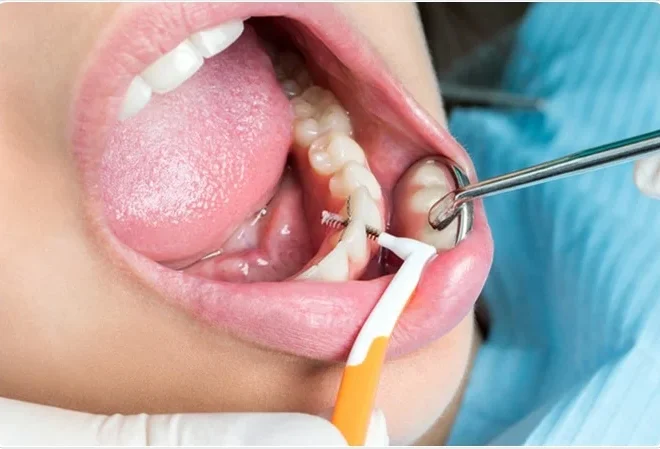
How Saliva Testing Can Predict Your Future Dental Health Risks
The Future of Preventative Dentistry Has Arrived
For decades, dental professionals have relied on visual examinations, X-rays, and patient-reported symptoms to assess oral health. Whilst these methods remain valuable, they often detect problems only after damage has already occurred. Enter saliva testing—a revolutionary diagnostic tool that allows dental practitioners to identify potential risks before they manifest into serious conditions. This non-invasive approach is transforming how clinicians predict and prevent dental disease, offering patients a glimpse into their oral health future with remarkable accuracy.
Saliva testing represents a significant shift from reactive to proactive dental care. By analysing the unique biochemical composition of a patient’s saliva, dental professionals can now identify markers that indicate susceptibility to cavities, gum disease, and other oral health complications. This scientific advancement is particularly exciting for those seeking comprehensive care from a private dentist in Manchester, where cutting-edge diagnostic technologies are increasingly available to patients who value personalised treatment plans.
Understanding the Science Behind Saliva Diagnostics
Saliva is far more than just moisture in the mouth—it’s a complex biological fluid containing proteins, enzymes, antibodies, and electrolytes that provide valuable insights into overall oral health. The human mouth produces between 0.5 and 1.5 litres of saliva daily, and this constant flow carries information about the oral microbiome, pH levels, buffering capacity, and bacterial populations.
Modern saliva testing examines several critical factors that influence dental health outcomes. These include the concentration of cavity-causing bacteria such as Streptococcus mutans and Lactobacilli, the saliva’s buffering capacity (its ability to neutralise acids), flow rate, and pH balance. Research has shown that salivary biomarkers play a crucial role in dental caries assessment, providing clinicians with objective data to inform treatment decisions.
Key Risk Factors Identified Through Saliva Analysis
Bacterial Load and Composition
One of the most significant predictors of future dental problems is the quantity and type of bacteria present in the oral cavity. Saliva testing can identify elevated levels of cariogenic bacteria, which are directly responsible for tooth decay. When these harmful microorganisms are detected early, preventative measures can be implemented before cavities develop.
Saliva Flow Rate and pH Balance
The rate at which saliva flows and its pH level are critical indicators of dental health. Reduced saliva production, a condition known as xerostomia, significantly increases the risk of tooth decay and gum disease. Saliva testing measures flow rate and determines whether the mouth maintains a healthy pH level above 6.5. When pH drops below this threshold, the oral environment becomes acidic, promoting enamel erosion and bacterial growth. These measurements allow dental professionals to recommend targeted interventions before irreversible damage occurs.
Buffering Capacity
The ability of saliva to neutralise acids produced by bacteria and dietary sources is another crucial factor assessed through testing. Individuals with low buffering capacity face heightened risks of enamel demineralisation and cavity formation. By identifying this weakness early, dentists can prescribe remineralising treatments and dietary modifications to strengthen the mouth’s natural defences.
Clinical Applications and Patient Benefits
Saliva testing has proven particularly valuable for identifying high-risk patients who require more frequent monitoring and aggressive preventative strategies. Studies, including clinical trials examining saliva’s predictive capabilities for dental disease, have demonstrated the accuracy of these diagnostic tools in forecasting oral health outcomes. This evidence-based approach allows practitioners to tailor treatment plans to individual risk profiles rather than applying a one-size-fits-all methodology.
The technology is especially beneficial for patients with a history of recurring cavities, those undergoing orthodontic treatment, and individuals with systemic conditions affecting oral health. Recent research has further validated the reliability of saliva testing in predicting dental health trajectories, cementing its role in contemporary dental practice.
Embracing Personalised Preventative Care
Saliva testing represents a paradigm shift in dental medicine, moving the profession towards truly personalised, predictive healthcare. Rather than waiting for symptoms to appear, patients can now receive customised preventative programmes based on their unique biological markers. This proactive approach not only preserves dental health but also reduces long-term treatment costs and the need for invasive procedures.
As awareness grows and more practices adopt this technology, saliva testing is poised to become a standard component of comprehensive dental examinations, fundamentally changing how we approach oral health maintenance for generations to come.