
June 2026

Modern Fence Designs Complementing Traditional And Contemporary Home Architecture
Every home deserves an outdoor structure that matches its overall style while giving proper support. A well-planned fence creates a balanced look with a reliable purpose across every season. Careful selection helps each property stay neat through daily use while matching personal taste, making https://katyfenceco.com/cypress/ a valuable resource for dependable fencing solutions.
Why Choose Simple Styles?
Simple layouts blend easily with older homes while matching fresh building patterns. Clean shapes create a balanced setting without making outdoor areas look crowded. Good planning also helps every section remain useful through changing weather conditions. Careful design keeps each fence matching the surrounding structure with lasting value.
Which Patterns Work Best?
Straight lines create an organized look that suits different property layouts. Gentle shapes also provide a welcoming finish without making spaces feel busy. Choosing matching colors keeps every section balanced with nearby structures. Visit https://katyfenceco.com/cypress/ for useful ideas supporting suitable fencing choices.
Matching Shapes Together
Proper proportions help every outdoor section connect with surrounding structures naturally. Balanced height creates better visual flow across open spaces without blocking important views.
- Select simple lines creating neat outdoor surroundings with lasting visual balance.
- Choose matching shades supporting smooth property appearance through every season.
- Keep the gate style similar for a balanced outdoor presentation across every entrance.
- Use clean patterns giving an organized boundary structure with a steady visual appeal.
- Pick a suitable height that supports privacy while keeping open surrounding views clear.

Can Color Improve Style?
Color selection changes the overall look without changing the complete outdoor structure. Soft shades blend with older buildings while bold tones match current building themes. Balanced color planning creates unity across every visible section. Proper finishing also keeps the fence looking fresh through regular outdoor conditions.
Does Design Add Value?
Thoughtful planning supports better property presentation while improving everyday use. Balanced layouts help outdoor areas remain organized without unnecessary details. Strong construction paired with suitable styling creates reliable performance through changing seasons. Careful choices provide lasting satisfaction while keeping every space attractive.
Careful selection creates a balanced outdoor setting while supporting steady performance across changing seasons. Choosing suitable fencing styles today helps every home remain organized, welcoming, and useful through the years with dependable results.
FAQs
Which design suits older homes with modern outdoor spaces?
Balanced layouts blend classic character with current styling very effectively.
Can suitable fencing improve overall property appearance every season?
Yes, proper planning keeps outdoor areas organized through changing conditions consistently.
Should the color match the building style for a better outdoor presentation?
Matching shades create balanced surroundings with attractive results throughout every season.
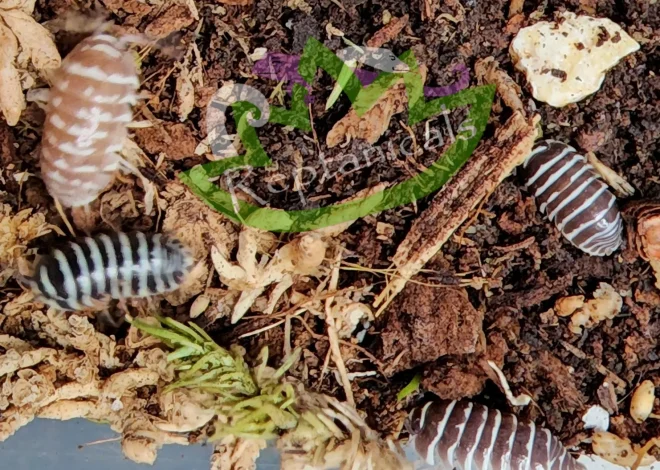
Start Bioactive Projects With Trusted Isopods For Sale Online
Creating a healthy enclosure begins with choosing reliable cleanup organisms that support natural balance. Quality stock helps maintain cleaner surroundings while encouraging stable conditions over time. Trusted suppliers often provide healthy colonies suited for different setups. People looking at postpods frequently value dependable sources because strong starter groups can support long-term enclosure success while reducing maintenance concerns.
Building Healthy Enclosure Systems Naturally
A balanced enclosure depends on helpful organisms that process waste materials efficiently. Quality selections contribute to cleaner surroundings while supporting natural cycles. Proper planning allows colonies to establish themselves successfully, creating conditions that remain stable while reducing routine upkeep requirements.
Selecting Reliable Colony Sources Carefully
Choosing dependable suppliers helps ensure healthy stock arrives in suitable condition for successful establishment within prepared environments.
- Healthy groups support enclosure balance effectively.
- Quality stock improves colony success rates.
- Reliable sources provide consistent animal health.
Supporting Natural Cleanup Processes Effectively
Cleanup organisms play an important role by breaking down organic matter that accumulates within enclosed environments. Their activity supports healthier conditions while helping maintain cleanliness. Consistent performance contributes to enclosure stability, allowing caretakers to manage habitats with greater confidence.

Choosing Suitable Species For Goals
Different species offer unique traits that may suit particular enclosure objectives or maintenance preferences.
- Species differences affect enclosure performance outcomes.
- Care needs vary among available choices.
- Proper matching improves overall project success.
Supporting Long-Term Habitat Stability
Successful enclosures benefit from organisms that contribute to ongoing environmental balance. Their activities assist natural processes while helping reduce material buildup. Stable populations support enclosure function over time, making them valuable additions for those seeking reliable habitat maintenance support.
Monitoring Population Health Regularly
Routine observation helps identify changes that may affect colony performance or overall enclosure conditions.
- Frequent checks support ongoing colony wellbeing.
- Observation helps identify concerns early and quickly.
- Healthy activity indicates suitable habitat conditions.
Improving Habitat Efficiency Through Planning
Careful preparation before introducing organisms increases the likelihood of successful establishment. Organized habitat design supports natural movement while providing suitable conditions. Planning helps avoid preventable challenges, creating a stronger foundation for productive colony development.
Strong enclosure outcomes depend on careful preparation, suitable species selection, consistent environmental management, and dependable stock sources. People interested in expanding their collections often research related options such as millipedes for sale while building diverse enclosure communities. A thoughtful approach, supported by quality organisms and proper planning, provides a reliable path toward maintaining productive habitats that continue performing effectively through changing conditions.

Legal Considerations Following Catastrophic Transportation Accident Incidents
Traffic patterns can change within seconds after a terrible transportation accident. Emergency responders arrive, ways close, and marking locations across a damaged roadway. While vehicles remain stationery and witnesses gather nearby, discussions often shift toward documentation and legal responsibilities. During those early moments, searches involving hire 18 wheeler crash lawyer in corpus christi sometimes appear as injured parties attempt to understand what information may become relevant later. Long before formal decisions occur, records and observations begin accumulating from several directions.
The First Hours After Roadway Chaos
A damaged trailer resting across multiple lanes creates an unusual scene. Cargo may be scattered. Drivers wait behind roadblocks while investigators record measurements and photograph evidence.
Conditions present immediately after an accident rarely remain unchanged. Vehicles are removed. Debris disappears. Roadways reopen. Early documentation frequently preserves details that may not exist later.Accident reviews often begin with observations gathered before cleanup operations start.
Pieces Of Information Collected Along the Way
Several records may emerge within a short period. Police reports describe initial observations. Emergency response documents identify immediate actions. Witness statements introduce additional perspectives.
Commercial transportation incidents frequently generate large volumes of information. Maintenance files, inspection histories, driver records, and company communications occasionally become relevant during later reviews.Small details sometimes attract significant attention.

When Multiple Parties Enter the Discussion
A catastrophic transportation incident may involve more than one organization. Drivers, trucking companies, maintenance providers, contractors, and insurers sometimes appear within the same investigation.
Responsibility questions rarely develop from a single source of information. Different records may point toward different operational concerns. Investigators often compare separate documents before drawing broader conclusions.
Financial Losses Frequently Discussed
Medical expenses represent only one category occasionally reviewed after transportation accidents. Lost income, vehicle replacement costs, rehabilitation expenses, and future treatment needs may also appear within claim discussions.
Specific outcomes depend upon available documentation and the circumstances surrounding each incident. No investigation guarantees a particular result.Every file reflects a different sequence of events.
During these stages, references to hire 18 wheeler crash lawyer in corpus christi occasionally arise while injured parties organize paperwork connected to medical treatment, property losses, and transportation-related damages.
Information Sources Commonly Reviewed
| Source Type | Information Collected | Review Purpose |
| Police Documentation | Scene observations and preliminary findings | Incident reconstruction |
| Vehicle Records | Maintenance and inspection history | Mechanical evaluation |
| Medical Files | Injury-related treatment documentation | Damage assessment |
| Witness Statements | Independent observations of accident events | Fact verification |
| Company Logs | Transportation activity and communication records | Timeline analysis |
Additional records occasionally appear after initial reports have already been completed.
Several investigations continue expanding as new information becomes available.
Traffic eventually returns to normal, damaged vehicles disappear, and emergency crews leave, yet investigators may still be examining records connected to a single transportation event that altered several lives in only a few moments.

Building Confidence Through Accurate Performance Monitoring and Evaluation
Stacks of reports rarely attract attention when they first arrive. A coordinator reviews attendance records from one program while another staff member checks participant updates collected during the previous month. Small corrections appear throughout the day. Deadlines move closer. Somewhere between routine administrative work and ongoing community services, conversations occasionally mention how teams measure program outcomes with TraxSolutions while organizing information from several departments. The activity feels ordinary, yet every update becomes part of a much larger record over time.
Different Teams See Different Things
Community outreach staff focus on participation numbers. Case managers pay attention to individual records. Leadership teams review broader trends.Everyone works with similar information, yet each group notices different patterns.
The same collection of data may support several conversations happening at once. One department discusses operational performance while another reviews community engagement activities.
Supporting Missions That Depend on Accuracy
Documentation follows those activities.Commanders preparing Soldiers for future challenges review readiness information before making decisions. Community organizations review participant records before planning future services. Different environments create different priorities, yet both depend on reliable information.
Turning Activity into Useful Insight
A participant attends a workshop. Another completes a training session. A volunteer contributes several hours during a community event.Individually, those activities appear small.
Viewed together, they reveal larger patterns connected to participation, engagement, and program operations. Leadership discussions often begin with simple questions and lead toward much broader conversations about organizational direction.

Everyday Reporting Observations
- Supervise members frequently revisit records entered long before reporting deadlines arrive.
- Small documentation errors tend to receive attention during review periods.
- Different teams often rely on the same information while pursuing different objectives.
Quiet Work Behind Every Report
Performance reporting rarely happens in a single afternoon. Information arrives from multiple sources and often requires additional verification before becoming part of a larger report.
Names must match.Dates need checking.Incomplete records attract attention immediately.
During these review periods, discussions regularly return to how organizations measure program outcomes with TraxSolutions while maintaining consistency across multiple service areas and reporting requirements.
FAQs
- Why do organizations track participant information?
Participant records help document activities, interactions, service delivery efforts, and operational history across programs.
- Who reviews performance information?
Program managers, leadership teams, compliance staff, community organizations, and public agencies regularly review operational records.
- Why are reporting systems used across multiple departments?
Information frequently moves between teams, making centralized records easier to review during assessments and planning discussions.
The workday eventually ends, reports remain open on a few screens, new records continue arriving, and tomorrow’s updates quietly wait for someone to enter them.